
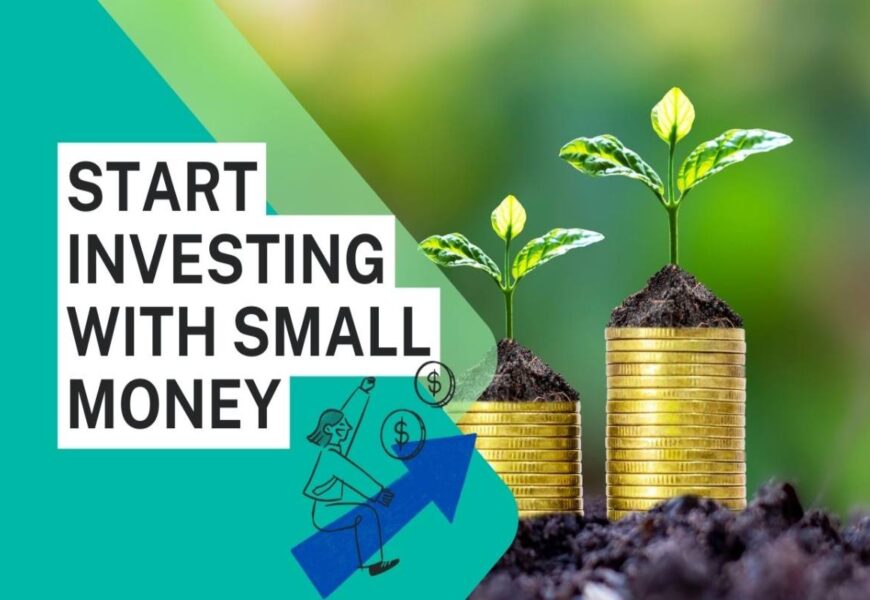
Many people think investing is only for rich people. This is not true. Today, anyone can start investing even with a small amount of money. You do not need lakhs. You do not need expert knowledge. What you need is the right guidance, patience, and discipline.
This guide will help beginners understand how to start investing step by step using small money.
Why You Should Start Investing Early
Money kept idle loses value because of inflation. Prices increase every year. If your money grows slower than inflation, you are actually losing money.
| Year | ₹10,000 Value After Inflation (6%) |
|---|---|
| Today | ₹10,000 |
| After 5 years | ₹7,470 value |
| After 10 years | ₹5,580 value |
Investing helps your money grow faster than inflation.
Step 1 – Understand the Difference: Saving vs Investing
| Saving | Investing |
|---|---|
| Low risk | Moderate risk |
| Low returns | Higher returns |
| Good for short term | Good for long term |
| Example: Savings account | Example: Stocks, Mutual Funds |
Savings protect money. Investing grows money.
Step 2 – Start with Clear Goals
Before investing, ask:
-
Why am I investing?
-
For retirement?
-
For house?
-
For emergency fund?
Short-term goals → safer options
Long-term goals → growth options
Step 3 – Best Investment Options for Small Money
| Investment Type | Risk | Return Potential | Minimum Start |
|---|---|---|---|
| Savings Account | Very Low | 2–3% | ₹0 |
| Fixed Deposit | Low | 5–7% | ₹1,000 |
| Mutual Fund SIP | Medium | 10–14% | ₹500 |
| Direct Stocks | High | 12–18% | ₹1000+ |
Step 4 – Start SIP (Best for Beginners)
SIP means Systematic Investment Plan. You invest a fixed amount every month.
Even ₹500 or ₹1,000 per month can grow big.
SIP works because of:
✔ Discipline
✔ Rupee cost averaging
✔ Compounding
Step 5 – Understand Risk
All investments have risk. But risk can be managed.
| Risk Type | Meaning |
|---|---|
| Market Risk | Prices go up and down |
| Inflation Risk | Money loses value |
| Emotional Risk | Panic selling |
Never invest money you need urgently.
Risk vs Return Relationship
Higher returns usually come with higher risk.
Insert the Risk vs Return Curve here.
| Investment | Risk | Return |
|---|---|---|
| Savings A/C | Very Low | Low |
| FD/Bonds | Low | Moderate |
| Mutual Funds | Medium | Good |
| Stocks | High | High |
This shows why diversification is important.
Step 6 – Power of Compounding
Compounding means earning returns on your returns.
| Year | ₹1,000/month at 12% |
|---|---|
| 5 years | ₹82,000 |
| 10 years | ₹2,30,000 |
| 15 years | ₹5,00,000+ |
Time is more important than amount.
Step 7 – Compare Returns
Add the Bar Chart here.
This shows higher growth options give better returns long term.
Step 8 – How to Pick First Investment
Beginner formula:
-
Emergency fund first
-
Start SIP in index fund
-
Add 1–2 strong stocks later
-
Increase investment yearly
Beginner Stock Picking Guide
Choosing your first stock can feel confusing, but you don’t need to be an expert. Follow this simple method:
Look for strong companies
-
Well-known brands
-
Profitable business
-
Growing sales
Check basic numbers
| Factor | Good Sign |
|---|---|
| Profit | Increasing yearly |
| Debt | Low or manageable |
| Industry | Growing sector |
Avoid hype stocks
Do not buy only because others are talking about it.
Start small
Buy 1–2 stocks and learn before investing more.
Step 9 – Mistakes Beginners Must Avoid
Investing without knowledge
Following social media tips
Trying to get rich quickly
Stopping investment during market fall
Step 10 – Golden Rules
Invest regularly
Think long term
Diversify
Stay calm in market crash
Asset Allocation for Beginners
Investing all money in one place is risky. Spread your money across different assets.
Insert the Asset Allocation Chart here.
| Asset Type | Purpose |
|---|---|
| Equity | Growth |
| Fixed Income | Stability |
| Gold | Safety during crisis |
| Cash | Emergency needs |
This balance reduces risk and improves long-term stability.
Retirement Planning Example
Let’s say you invest ₹3,000 per month at 12% return.
| Years | Investment Value |
|---|---|
| 10 years | ₹7 Lakhs |
| 20 years | ₹30 Lakhs |
| 30 years | ₹1 Crore+ |
Starting early reduces pressure later.
Final Advice
Starting small is not a weakness. It is a smart beginning. Even ₹500 invested monthly can change your future if you stay consistent.
Wealth is not built in days. It is built with patience, discipline, and time.